Skincare shelves are crowded with creams, serums, and oils that all promise the same thing: soft, hydrated, glowing skin. Somewhere in that noise, a lightweight gel-based product called Gel Ooru has started catching attention for being simple, non-greasy, and easy to slot into almost any routine.
This guide breaks down what Gel Ooru is, what it’s typically made of, how people use it, and what to keep in mind before adding it to your shelf — without the hype.
Bio Table
| Attribute | Details |
| Product Type | Gel-based skincare formula |
| Texture | Lightweight, non-greasy, fast-absorbing |
| Common Ingredients | Aloe vera, glycerin, plant extracts, humectants |
| Best For | Dry, oily, combination, and sensitive skin |
| Primary Use | Hydration, soothing, daily skincare support |
| Application Time | Morning and/or night |
| Skin Feel After Use | Cool, refreshed, non-sticky |
| Suitable For | Most adult skin types (patch test recommended) |
What is Gel Ooru?

Gel Ooru is a gel-based skincare product built around hydration and a light, breathable finish. Unlike heavy creams or oil-based moisturizers, it’s designed to sink in quickly rather than sit on top of the skin.
The appeal is straightforward: people want something that hydrates without feeling greasy, works in humid or hot weather, and doesn’t require a ten-step routine to see a difference. That’s the gap Gel Ooru is positioned to fill — a simple, multi-purpose gel rather than a single-use treatment.
It’s worth noting that “Gel Ooru” functions more as a generic product category name than a single, standardized branded formula, so ingredient lists and concentrations can vary between sellers. Always check the actual label on the specific product you’re buying.
The Origins and Natural Ingredients of Gel Ooru
Most formulations sold under this name lean on familiar, plant-derived skincare staples rather than synthetic-heavy ingredient lists. Commonly cited components include:
- Aloe vera — soothing and hydrating, often used as a base
- Glycerin — a humectant that draws moisture into the skin
- Plant extracts (such as green tea or chamomile) — added for a calming effect
- Natural oils in small amounts — to support the skin barrier without heaviness
The idea behind combining these is simple: hydrate at the surface, help the skin hold onto that moisture longer, and avoid ingredients that clog pores or feel heavy in warm climates.
Because formulations differ by brand, always review the ingredient panel on the packaging rather than assuming every product sold under this name is identical.
Key Benefits of Using Gel Ooru for Glowing Skin
People who use gel-based hydrators like this one commonly report:
- Lightweight hydration — moisture without a greasy after-feel
- A cooling, soothing sensation — helpful for skin that feels irritated or overheated
- Quick absorption — fits easily into morning routines before makeup or sunscreen
- Layering-friendly texture — pairs well with serums, sunscreen, and other products
- A more refreshed appearance — hydrated skin generally looks smoother and less dull
It’s worth being clear that “glow” from a hydrating gel usually comes from well-moisturized, healthy-looking skin rather than any dramatic transformation. Consistency matters more than any single application.
The Science Behind Gel Ooru: How It Works
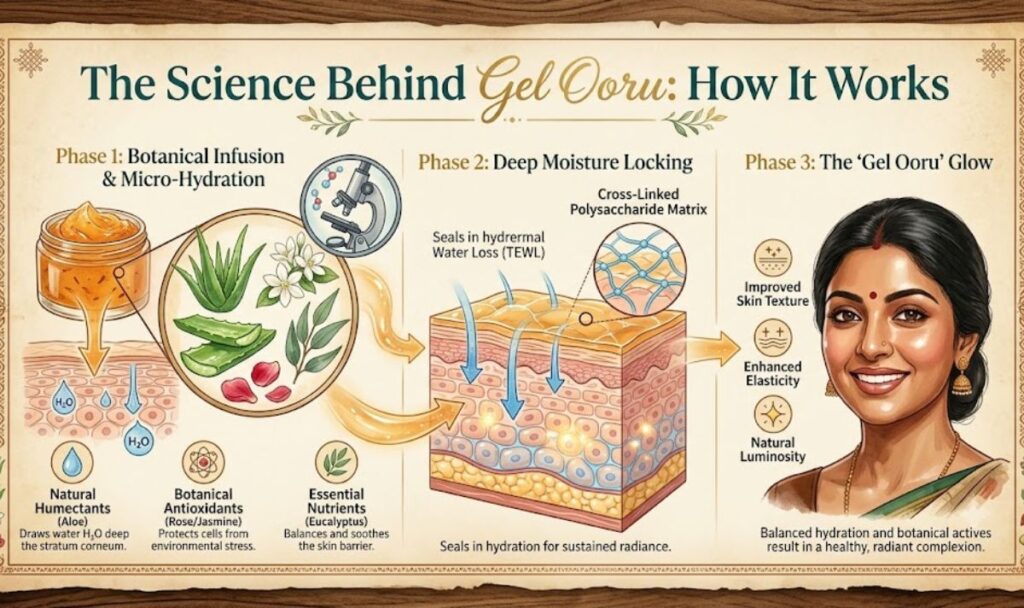
Gel-based moisturizers generally work through two mechanisms:
Humectants (like glycerin) pull water from the air and deeper skin layers into the surface layer, plumping it up. Occlusive-light barriers formed by the gel help slow down water loss (trans-epidermal water loss), so that hydration lasts longer instead of evaporating within an hour.
This is standard, well-understood skincare chemistry — not unique to any one product. What differs between formulas is the ratio of humectants to lightweight emollients, which determines whether a gel feels watery, tacky, or perfectly balanced.
Gel Ooru vs Other Popular Skincare Products
| Feature | Gel Ooru | Heavy Cream | Face Oil | Water-Based Serum |
| Texture | Light gel | Thick, rich | Oily | Very light |
| Absorption Speed | Fast | Slow | Moderate | Fast |
| Best Climate | Warm/humid | Cold/dry | Cold/dry | Any |
| Greasy Feel | Minimal | High | High | None |
| Good for Oily Skin | Yes | Often no | Sometimes | Yes |
| Long-Lasting Hydration | Moderate-High | High | Moderate | Low-Moderate |
Gel Ooru sits in the middle: not as rich as a cream, not as thin as a plain serum. That makes it a flexible option for people who want hydration without extra weight.
How to Properly Use Gel Ooru in Your Daily Skincare Routine
- Cleanse first — apply to clean, slightly damp skin for better absorption
- Apply a small amount — a pea-to-dime-sized amount is usually enough for the whole face
- Pat, don’t rub — gently press it into the skin rather than dragging it
- Follow with sunscreen (AM) — gels don’t replace SPF
- Layer under night cream (PM) — if you want extra richness overnight
- Use consistently — daily use for several weeks tends to show more noticeable results than occasional use
Simple routine example:
- Morning: Cleanser → Gel Ooru → Sunscreen
- Night: Cleanser → Gel Ooru → (optional heavier moisturizer)
Gel Ooru for Different Skin Types and Concerns
| Skin Type/Concern | How Gel Ooru Typically Helps |
| Oily/Acne-prone | Lightweight formula won’t feel heavy or clog pores as easily as thick creams |
| Dry Skin | Hydrates surface layer; may need a richer moisturizer layered on top |
| Sensitive Skin | Cooling, soothing feel; patch test before full use |
| Combination Skin | Balances hydration without over-oiling T-zone |
| Dull Skin | Regular hydration can improve overall texture and appearance over time |
Everyone’s skin responds differently, so what works well for one person may need adjusting for another — especially with sensitive or reactive skin.
Creative Ways and DIY Recipes with Gel Ooru
Beyond a straightforward facial application, some people mix gel-based moisturizers into simple routines:
- Cooling under-eye pat — chilled gel applied lightly under the eyes for a refreshed look
- Hair-ends smoothing — a tiny amount smoothed on dry hair ends for shine (avoid roots)
- Post-sun soothing — applied after sun exposure to help calm warm, tight-feeling skin
- Mixed with a few drops of facial oil — for slightly richer hydration in dry weather
Always patch test any new combination on a small area first, especially before applying near the eyes or on broken skin.
Safety, Side Effects, and Precautions

Gel-based moisturizers are generally considered low-risk, but a few precautions apply:
- Patch test first — apply a small amount on your inner arm and wait 24 hours
- Check the ingredient list — avoid known personal allergens or fragrances if you have sensitive skin
- Discontinue if irritation occurs — redness, itching, or breakouts mean it’s time to stop
- Avoid broken or infected skin — unless a product is specifically formulated and labeled for that use
- Consult a dermatologist — especially if you have eczema, rosacea, or another diagnosed skin condition
This article is for general informational purposes and isn’t a substitute for professional dermatological advice.
Real User Experiences and Results in 2026
Feedback on gel-based hydrating products like this tends to follow a pattern: users often mention softer-feeling skin within the first couple of weeks, appreciate the non-greasy finish in warm weather, and note that it layers well under makeup. Reported experiences vary — some people notice visible changes fairly quickly, while others need consistent daily use over a longer stretch before seeing a difference.
As with most skincare, individual results depend on skin type, climate, consistency of use, and what else is in your routine. Treat testimonials as anecdotal rather than guaranteed outcomes.
How to Choose the Right Gel Ooru Product
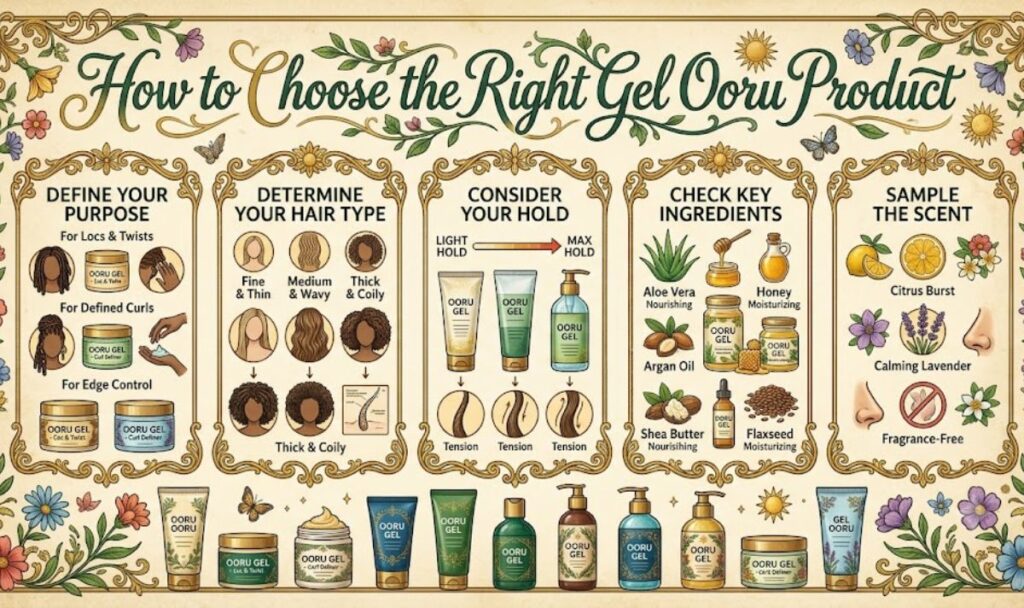
When comparing products sold under this name, check for:
- A clear, readable ingredient list — avoid vague “proprietary blend” labeling with no detail
- Minimal added fragrance — if you have sensitive skin
- Reputable seller/manufacturer information — verifiable contact details and reviews
- Appropriate packaging — airless pumps or sealed tubes protect active ingredients better than open jars
- Realistic marketing claims — be cautious of products promising instant or dramatic transformations
If in doubt, cross-check the ingredient list against known skincare databases or ask a dermatologist before committing to a full-size purchase.
FAQs
Is Gel Ooru suitable for oily skin?
Yes, its lightweight, non-greasy texture generally makes it a good fit for oily and combination skin.
Can I use Gel Ooru every day?
Most gel-based moisturizers are designed for daily morning and night use, but always follow the specific product’s label.
Does Gel Ooru replace sunscreen?
No. It’s a hydrating product, not sun protection — always apply SPF separately during the day.
How long does it take to see results?
Many users report softer, more hydrated-feeling skin within a couple of weeks of consistent use, though results vary by individual.
Can Gel Ooru be used with other skincare products?
Yes, its lightweight texture typically layers well with serums, sunscreen, and moisturizers.
Is a patch test necessary?
Yes, especially if you have sensitive skin or are trying a new formulation for the first time.
Conclusion
Gel Ooru represents a simple idea done well: hydration that doesn’t feel heavy, works across most skin types, and fits easily into a daily routine. It isn’t a miracle fix, but as part of a consistent skincare habit cleansing, hydrating, and sun protection a lightweight gel like this can genuinely support smoother, more refreshed-looking skin over time.
Before buying any product marketed under this name, take a moment to check the ingredient list, patch test it, and set realistic expectations. Good skin health comes from consistency, not any single product.